Surge protection is essential to any application that includes sensitive electronics and mission-critical communications. Estimates place the cost of network downtime at about $5,600 per minute, not to mention the frustration of downed service and the potential for necessary repairs.
Key Takeaways
- A surge is a brief but dangerous spike in voltage that can damage electronic equipment.
- Surges are caused by lightning, power switching, motor loads, and grid disturbances.
- Even small, repeated surges can degrade equipment over time.
- Surge protectors work by clamping or diverting excess voltage away from sensitive devices.
- Surge protection is critical for power systems, RF equipment, telecom infrastructure, and industrial electronics.
What Is a Surge? Understanding Voltage Spikes and Surge Protectors
In electrical systems, a surge refers to a sudden, brief rise in voltage well above the normal level. These spikes occur in fractions of a second, yet they can deliver enough energy to damage or destroy sensitive electronic equipment. Surges are a common yet often unseen hazard in both residential and industrial environments, and understanding them is the first step toward effective protection.
Surges can result from a variety of causes, including switching operations in the power grid, large motor startup, electrostatic discharge, and nearby lightning strikes. Even though the most dramatic surges like those associated with lightning are rare, smaller voltage spikes happen constantly in modern electrical systems. These transient events can heat components, degrade insulation, and cause intermittent failures in systems ranging from computers and telecommunications equipment to industrial control devices.
Why Surge Protection Matters
Even very brief surges can stress electrical components. Over time, repeated exposure can degrade performance or trigger intermittent faults that are hard to diagnose. In environments where uptime and reliability are critical, such as telecommunications, data centers, and industrial control systems, surge protection is an essential part of system design.
Moreover, surge events do not need to be extremely large to cause damage. Everyday activities like turning off a large motor or switching heavy loads in a building’s power distribution network can induce transient spikes that, if unprotected, will shorten equipment life or cause catastrophic failure.
Surges Explained
Briefly, a surge is a spike or other disturbance—in other words, a transient wave—of current, voltage, or power that can disrupt, damage, or degrade electronic equipment and interrupt, delay, and corrupt signal transmissions.
Transient disturbances on a power waveform can reach amplitudes of tens of thousands of volts. Manufacturers and network operators are particularly vulnerable to equipment damage during lightning strikes, outages, and other events.
Equipment Standards
In general, electrical equipment functions at a specific nominal voltage (e.g., 120 Vac, 240 Vac, etc.), with the ability to handle minor variations in standard operating voltage. However, surges pack potential damage to virtually all equipment, impacting network operability.
Surge Protection
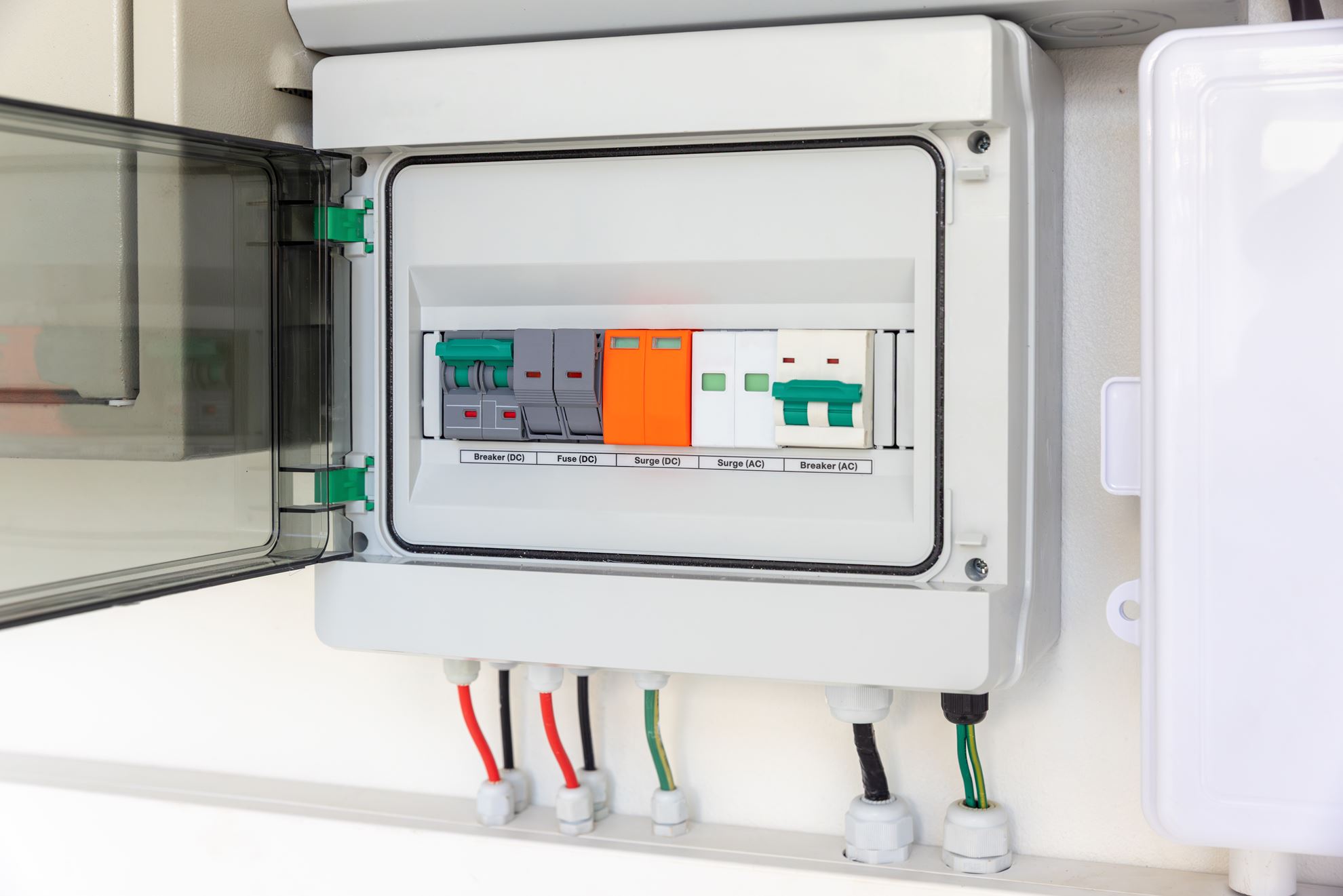
Surge protection devices (SPDs) eliminate events outside nominal levels, reacting in nanoseconds to protect vital equipment. (Comparatively, circuit breakers and fuses typically react in seconds.) The quick response and reliable protection of simple SPDs can be the difference-maker in maintaining network operability and, ultimately, revenue.
PolyPhaser and Transtector provide high-quality RF, AC, DC, EMP, and data signal surge protection solutions and enclosures for mission-critical communications worldwide. You gain decades of experience, patented technology, and reliable products delivered with same-day shipping.
Learn more here:
Surge Protection Brochure | NEMA Surge Protection Institute: “What are Surges”
FAQs ( Frequently Asked Questions)
1. What causes electrical surges?
A: Surges can be caused by lightning strikes, utility switching operations, motor startups and shutdowns, electrostatic discharge, and faults in the power grid.
2. Are surges always caused by lightning?
A: No. While lightning causes large surges, most damaging surges occur internally due to switching events and load changes within electrical systems.
3. How long does a surge last?
A: Surges are extremely brief, often lasting only microseconds, but they can carry enough energy to damage electronic components.