December 31, 2020 is a significant date in the railroad industry.
At that time, U.S. railroads must comply with federal requirements to fully implement positive train control (PTC). The National Transportation Safety Board (NTSB) describes PTC as “a life-saving collision avoidance technology that stops a train before it strikes an obstacle.”
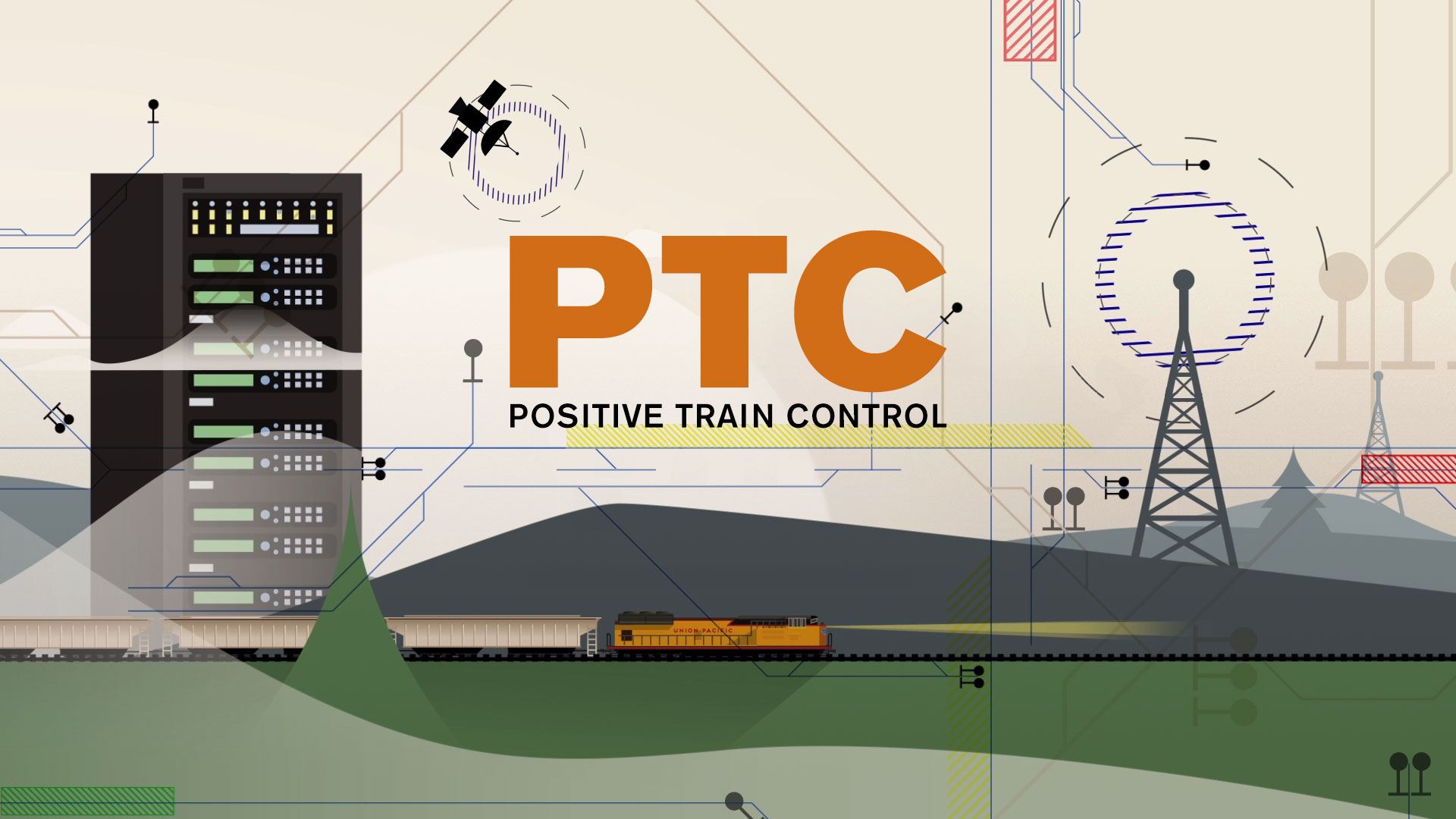
Fundamentally, PTC sets out to ensure the safety of trains, passengers and track workers—and promote uninterrupted traffic—by eliminating the potential for human error in responding to signals sent by wayside equipment. PTC Systems utilize GPS satellite data, onboard locomotive-based equipment, dispatching offices, and wayside interface units.
Established by the US Rail Safety Improvement Act in response to catastrophic accidents, the initial implementation deadline for PTC was 2015; this was extended to 2018, and then to the current 2020 deadline. By the time the 2020 deadline hits, 41 US railroads will have spent more than a decade implementing technology related to PTC.
So what does all this mean? Infrastructure technology drives PTC implementation. Reliable, uninterrupted data transfer is a must for PTC. One critical component of this consistent communication is surge protection—if power surges, lightning strikes, or other anomalies impact communication equipment, then the PTC connection could be in jeopardy.
As PTC components advance in complexity and sensitivity, innovative and reliable AC power and RF protection is a must. Transtector Systems and PolyPhaser provide a full line of advanced technology silicon, MOV and hybrid silicon/MOV surge protection devices for PTC panel, signal line and data line systems.
Learn more: